
Why Black Fathers Showing Up Changes The Outcome
When Black fathers show up for their children in sports, music, and school, the power dynamic shifts immediately. Here's the sociology behind why involved Black fathers trigger resistance — and why it matters.
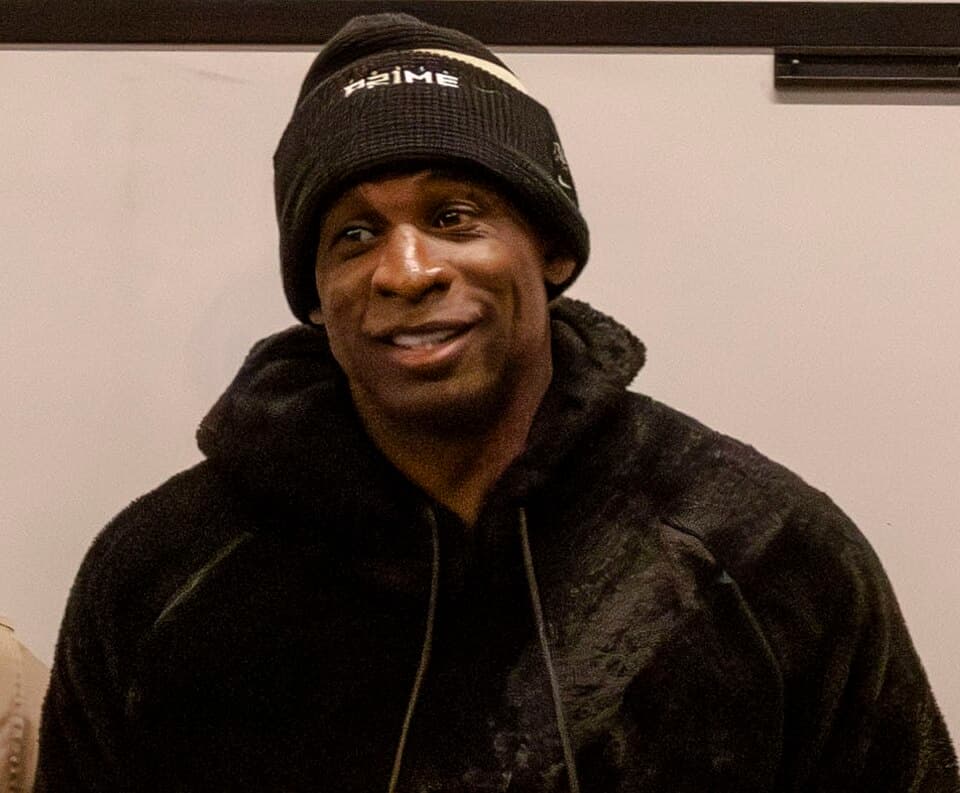
There's a pattern hiding in plain sight. Every time a Black father steps into a room — whether it's a sports negotiation, a school classroom, or a record label meeting — something shifts. The energy changes. The conversations change. The outcomes change. And for some people, that shift is deeply uncomfortable.
This isn't about personality conflicts or individual grievances. This is about power.
The Pattern Nobody Wants to Talk About: Involved Black Fathers and Power
When Deion Sanders coached his son at Jackson State and then Colorado, critics were relentless. When LaVar Ball loudly advocated for his sons' NBA careers, he was dismissed as arrogant. When LeBron James helped his son Bronnie get drafted, accusations of nepotism flooded the internet.
But here's what the sociology actually tells us: the criticism isn't really about these men's personalities. It's about what their presence represents.
An involved Black father is a protected child. And a protected child is harder to exploit.
What Actually Changes When a Father Is in the Room
The difference isn't symbolic — it's structural. Here's what shifts the moment a Black father shows up:
Recruitment visits look different. Coaches who come to homes to recruit young athletes often rely on charm, fast talk, and pressure. When a father is present, that dynamic changes immediately. The conversation becomes more direct. The terms get scrutinized. The child is no longer negotiating alone.
Financial deals get examined. Young athletes and artists are routinely offered contracts that undervalue them. An involved parent — especially one who shows up consistently and pays attention — disrupts that system. As one commenter shared about the music industry: "I was a target until they saw my father." His presence alone changed what people thought they could get away with.
Confidence in children increases. When a child knows their father has their back, they carry themselves differently. That internal security is visible — and it changes how others interact with them.
The School System and the Quiet Removal of Black Fathers
One of the most striking examples of this dynamic plays out not in stadiums or boardrooms, but in elementary school cafeterias.
One commenter shared that a school told him he couldn't eat lunch with his daughter because it would "alienate the other kids." No equivalent policy exists for mothers. The message, whether intentional or not, is clear: Black fathers in these spaces are treated as intrusions rather than assets.
A former teacher commented that when Black fathers visited her classroom, they didn't even need to speak. Their presence alone shifted the energy in the room — for students, staff, and administrators alike.
This isn't incidental. There is documented historical effort in America to structurally remove Black fathers from their families — through policy, through incarceration, through economic systems designed to make consistent presence difficult. When Black fathers overcome those systemic barriers and show up anyway, the response from certain institutions is not celebration. It's resistance.
Why Society Is Uncomfortable With Black Men Leading Their Families
The comments on this video — over 2,600 of them — revealed something important: the discomfort people feel around involved Black fathers is often rooted in one of three things.
Control. When a father is absent, it's easier for outside institutions — schools, sports organizations, entertainment companies — to position themselves as the primary authority in a child's life. A present father disrupts that arrangement.
Jealousy. Multiple commenters acknowledged that seeing Black men speak proudly about their fathers, or about their own involvement as fathers, triggered something painful in people who didn't have that experience. You can't miss what you never had — until someone else starts talking about it openly.
Narrative contradiction. The dominant cultural narrative about Black fatherhood is one of absence. When Black fathers show up loudly and unapologetically — the way Deion, LaVar, and LeBron have — it contradicts a story that certain people and institutions have a stake in maintaining.
As one commenter put it: "The issue isn't the fathers. It's a society that's uncomfortable seeing Black men lead, love, and pour into their sons."
The Divide and Conquer Strategy and What It Has to Do With Youth Sports
"Take away the father and conquer the child" — that comment hit differently because it names the strategy directly.
When you remove the protective layer that a present parent provides, you create an opening. Coaches, scouts, label executives, and recruiters know this. It's not always conscious, but the pattern is consistent: children without strong parental advocates are more likely to sign bad deals, accept unfair terms, and have their talent monetized without adequate compensation.
Why Naomi Osaka's Black Tennis Party Caused a Controversy That Reveals Everything
This is why involved Black fathers in youth sports and entertainment aren't just emotionally valuable — they are economically protective. Their presence changes the math of exploitation.
What Deion, LaVar, and LeBron Actually Have in Common
Strip away the media narratives, the hot takes, and the personality debates. What do these three men actually share?
They showed up. Loudly. Unapologetically. In spaces that weren't built with them in mind.
Deion Sanders didn't just coach his son — he rebuilt a football program and made it a destination for Black athletes who wanted to be developed, not just used.
LaVar Ball didn't just brag about his sons — he launched a brand, negotiated directly with leagues, and refused to let his children be handled by systems that historically haven't served Black athletes well.
LeBron James didn't just help his son get drafted — he built an ecosystem around his family that gave Bronnie infrastructure, visibility, and a safety net that most young players never have.
The criticism of each man is loudest from people who benefit most when Black fathers aren't in the room.
The Conclusion: This Is a Conversation We Have to Keep Having
The data is clear. The comments are clear. When Black fathers show up — in classrooms, in locker rooms, in boardrooms, in recording studios — outcomes improve for their children. Protection increases. Exploitation decreases. Confidence rises.
And yes, it makes some people very uncomfortable.
That discomfort is information. It tells us exactly how much power is at stake when Black men decide to be present, vocal, and immovable on behalf of their children.
This conversation is just getting started.
Want to go deeper on topics like this every week? Join the Yasmin Breakdown community on Patreon where we break down the history, sociology, and power dynamics behind the stories everyone else just skims. Your support keeps this analysis going — and keeps it independent.
Watch the original video on YouTube and drop your thoughts in the comments. This breakdown has already sparked 2,600+ responses. We want to hear yours.