Afrika Bambaataa: Hip Hop Pioneer, Universal Zulu Nation Founder, and a Legacy the Culture Must Reckon With
Afrika Bambaataa helped build hip hop from the streets of the Bronx into a global cultural force. But his legacy cannot be told without confronting the abuse allegations that changed everything. Here's the full breakdown.
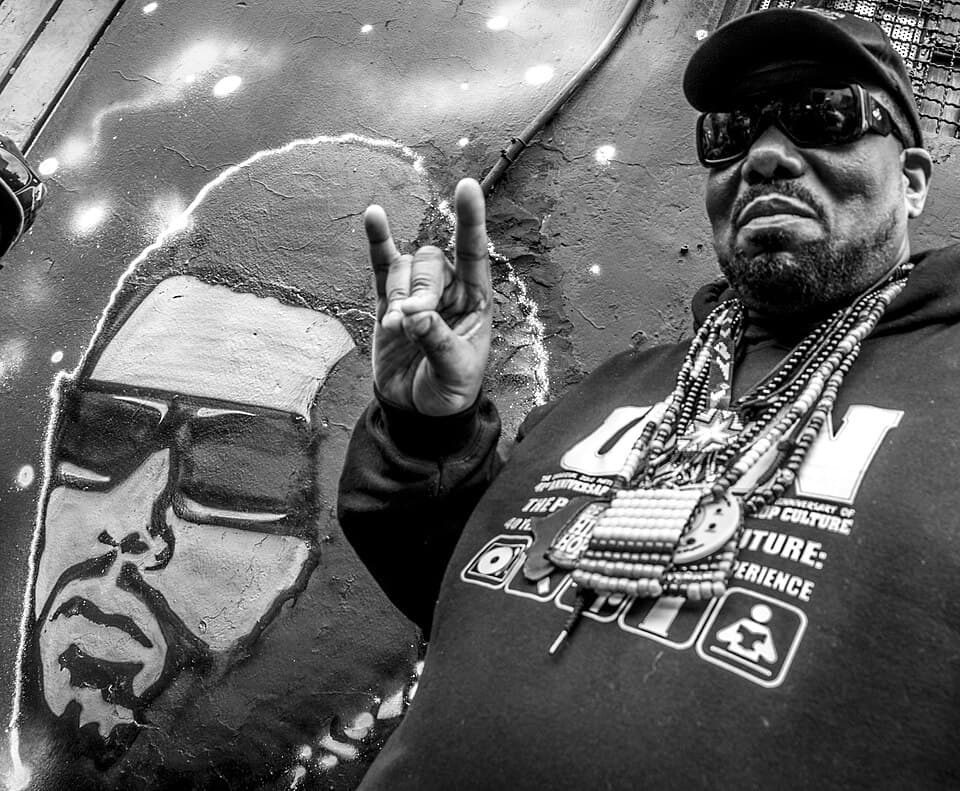
Afrika Bambaataa's name has gone quiet. For a man once regarded as one of the founding architects of hip hop — alongside DJ Kool Herc and Grandmaster Flash — the silence is notable. Following his reported passing from prostate cancer, the tributes have been muted, the retrospectives cautious, the cultural conversation uncomfortable in a way that tells you something important is being wrestled with beneath the surface.
That discomfort deserves to be examined directly. Because to understand what Afrika Bambaataa built, you also have to understand what was alleged against him — and what both sides of that story mean for how hip hop reckons with its own history.
The Bronx in the 1970s — Where Hip Hop Was Born Out of Survival
To understand Afrika Bambaataa, you have to understand the world that produced him.
The Bronx in the 1970s was a community under siege — not by any single enemy, but by decades of structural neglect. Poverty. Redlining. Limited access to property ownership. City policies that stripped resources from Black and Latino neighborhoods while investing elsewhere. The physical infrastructure of the South Bronx was literally burning — landlords torching their own buildings for insurance money while residents were left with nothing.
In that environment, Lance Taylor — the man who would become Afrika Bambaataa — came of age. Like many young men with limited options and no visible path forward, he became involved with the Black Spades, one of the most powerful street gangs in the Bronx at the time.
What made his story different was what happened next.
From Gang Leader to Cultural Architect — The Birth of the Universal Zulu Nation
Inspired by African history and the 1964 film Zulu, something shifted in Bambaataa's understanding of what leadership could mean. Not dominance through fear. Unity through culture.
That vision gave birth to the Universal Zulu Nation — an organization that took the structural energy of gang life and redirected it. DJs, MCs, b-boys, graffiti artists, brought together under a framework promoting peace, knowledge, unity, and self-expression. In communities that had been systematically denied access to all four, this was not a small thing. It was transformation.
Why Black Men Are Celebrating Klay Thompson After the Meg Thee Stallion Breakup And What It Really Reveals
Bambaataa became one of the three key architects of hip hop — the movement that would travel from the Bronx to New York City to the entire world, becoming the most influential cultural export in modern American history. His role was not just musical. He was an organizer. A community builder. Someone who understood that culture could do what policy had refused to do — give young Black people in the Bronx something to belong to that didn't require them to destroy each other.
Planet Rock — When Hip Hop Changed Genres Forever
In 1982, Bambaataa released Planet Rock with the Soulsonic Force. The track did something no hip hop record had done before — it fused the emerging sounds of New York hip hop with European electronic music, specifically the synthesizer work of Kraftwerk, and created something entirely new.
Planet Rock did not just change hip hop. It helped create the conditions for electronic dance music, techno, house, and the entire landscape of electronic-influenced popular music that followed. The sonic DNA of that record runs through decades of music that came after it, in genres that many of their creators may not even trace back to a DJ from the Bronx.
As producer Ellis Williams, known as Mr. Biggs and a member of Bambaataa's own Soulsonic Force, told the Associated Press following his death, "Our music made people feel like they belong to a movement and not a moment... it gave people identity, unity, and a way out."
That is the scale of Bambaataa's musical contribution. It was genuinely historic.
2016 — When the Allegations Broke and Changed Everything
Thirty-four years after Planet Rock, the story took a devastating turn.
In 2016, multiple individuals came forward with allegations of child sexual abuse against Afrika Bambaataa, with accounts going back decades. Many of the accusers were young Black boys from the Bronx — young men who said they had sought mentorship, connection, and belonging through the Universal Zulu Nation and instead experienced serious harm.
TLC Fans Feel Betrayed: How Chilli's Trump Controversy Derailed a Black Women's Empowerment Tour
One of the accusers, Bronx political activist Ronald Savage, accused Bambaataa of sexually molesting him in 1980 when Savage was a young teen. Savage told the Associated Press in 2016, "I was scared, but at the same time I was like, 'This is Afrika Bambaataa.'" Bambaataa denied all allegations. Bambaataa denied the allegations, and there was no criminal conviction. However, in May 2025, Bambaataa lost a separate civil case after failing to respond to or appear for a sex abuse lawsuit filed under the New York Child Victims Act — resulting in a default judgment against him. The number of accusers, the consistency of their accounts, and the decades-long pattern they described forced a reckoning that hip hop could not sidestep.
The allegations became public in April 2016, and in May 2016, Bambaataa resigned from the Universal Zulu Nation amid the mounting accusations, the organization he had founded and led for decades.
Why These Allegations Hit the Black Community Differently
Within the Black community, the Bambaataa allegations landed with a specific weight that goes beyond the story of one man.
The protection of Black children has always been a struggle in America — from the violence of slavery that separated families and offered children no protection whatsoever, to lynching culture, to the ongoing systemic neglect that leaves Black children in under-resourced schools, under-policed neighborhoods, and under-served by every institution designed to protect them.
But there is also the more intimate, familiar version of this pain. The weirdo uncle. The adult at the family gathering that the aunties quietly tell the children to stay away from. The trusted figure in the community whose behavior with children doesn't quite sit right but never gets named directly. This experience is not unique to any community — but in communities where institutional protection has historically failed Black children, the silence around these figures tends to run deeper and last longer.
Bambaataa was a figure of enormous trust and cultural authority. The Universal Zulu Nation gave him access to young people who were looking for exactly what he offered — belonging, mentorship, a path. The allegations suggest that access was exploited. And for communities that have always had to protect their children with limited outside support, that betrayal of trust is not just personal. It is structural.
How Do We Hold Both Truths at Once?
This is the question that makes the Afrika Bambaataa conversation so difficult — and so necessary.
He helped build something genuinely transformative. The Universal Zulu Nation redirected real violence into real culture. Planet Rock changed music history. His vision of hip hop as a unifying force for marginalized communities was not just idealistic — it worked, at least in part, for a significant period of time.
And the allegations against him are serious, numerous, and consistent. The young men who came forward deserved to be heard. Their accounts do not disappear because the man they accused also created something historically significant.
Legacy is not a simple ledger where enough cultural contributions cancel out enough harm. It is a full accounting — of what was built, what was destroyed, who was elevated, and who was hurt. Afrika Bambaataa's legacy contains all of those things simultaneously. The discomfort of holding that complexity is not a reason to simplify it. It is the entire point.
Hip hop was built by human beings — flawed, complicated, sometimes brilliant, sometimes deeply harmful human beings. Acknowledging that fully is not a betrayal of the culture. It is a sign that the culture has matured enough to look at itself honestly.
What His Passing Means for the Conversation
Bambaataa's death does not close the conversation. If anything, it reopens it — because the people who loved what he built and the people who were harmed by who he was are both still here, still processing, still waiting for the culture to figure out how to hold both realities at once.
That conversation is not comfortable. It was not comfortable when the allegations first surfaced. It is not comfortable now. But the accusers who came forward deserved better than silence in 2016 — and they deserve better than silence in the wake of his passing.
Hip hop is big enough and mature enough to tell the full story. The question is whether the people who love it are willing to.
Yasmin Breakdown — Where Hip Hop History Gets Told in Full
This is the kind of analysis that mainstream entertainment media won't deliver — the history, the sociology, the accountability, and the complexity that the culture actually deserves. Yasmin Breakdown exists to give you all of it.
Support independent analysis of hip hop culture and Black history. Join the Yasmin Breakdown on Patreon for deeper dives, extended breakdowns, and conversations that go where other platforms won't.
Watch the original video on YouTube and tell us in the comments — how do you reckon with Afrika Bambaataa's legacy?