Beyoncé's Renaissance: A Study in Black Feminine Power and the Politics of Joy
Renaissance wasn't just an album. It was a political act — a reclamation of Black queer joy as the foundation of American popular music.
When Beyoncé released Renaissance in July 2022, critics called it a love letter to the dancefloor. They were right. But they were also only describing the surface. Underneath the house, disco, and ballroom rhythms of Renaissance lies one of the most sophisticated sociological statements in contemporary popular music.
This is a breakdown of what most critics missed.
The Archive She Was Mining
Renaissance is built on a specific archive: Black queer music. House music, created in Chicago's Black and Latino LGBTQ+ spaces in the early 1980s. Ballroom culture, the underground world of performance and competition that gave us vogue and "reading" and realness. Disco, which was killed — not by cultural evolution but by backlash — in a moment historians now recognize as a reaction to the music's association with Black, gay, and Latino audiences.
Beyoncé did not merely sample these genres. She credited them. In an era when Black musical innovation is routinely laundered through white artists before being mainstream-consumed, Renaissance demanded acknowledgment at its source.
Joy as Political Act
There is a particular sociological phenomenon at work in Renaissance that deserves examination: the politicization of Black joy.
For decades, the dominant cultural narrative has demanded that Black artists — particularly Black women — perform their trauma for mainstream consumption. The pain of racism, the grief of loss, the burden of struggle — these are what the mainstream tells Black artists to give us, because pain is legible and joy can be threatening.
A Black woman dancing freely is a disruption of a system that profits from her labor while denying her leisure.
Renaissance refuses that bargain. It insists that Black queer joy — loud, embodied, communal, unapologetic — is not a distraction from the political but the center of it.
Sampling as Genealogy
Beyoncé's use of samples on Renaissance functions as a kind of musical genealogy — a public acknowledgment of who she comes from. When she samples Robin S., when she references Sylvester, when she incorporates elements of ballroom, she is doing something Black artists rarely have the cultural power to do: she is naming her ancestors.
The question is not where the music came from. The question is who gets to profit when the music arrives.
What the Tour Told Us
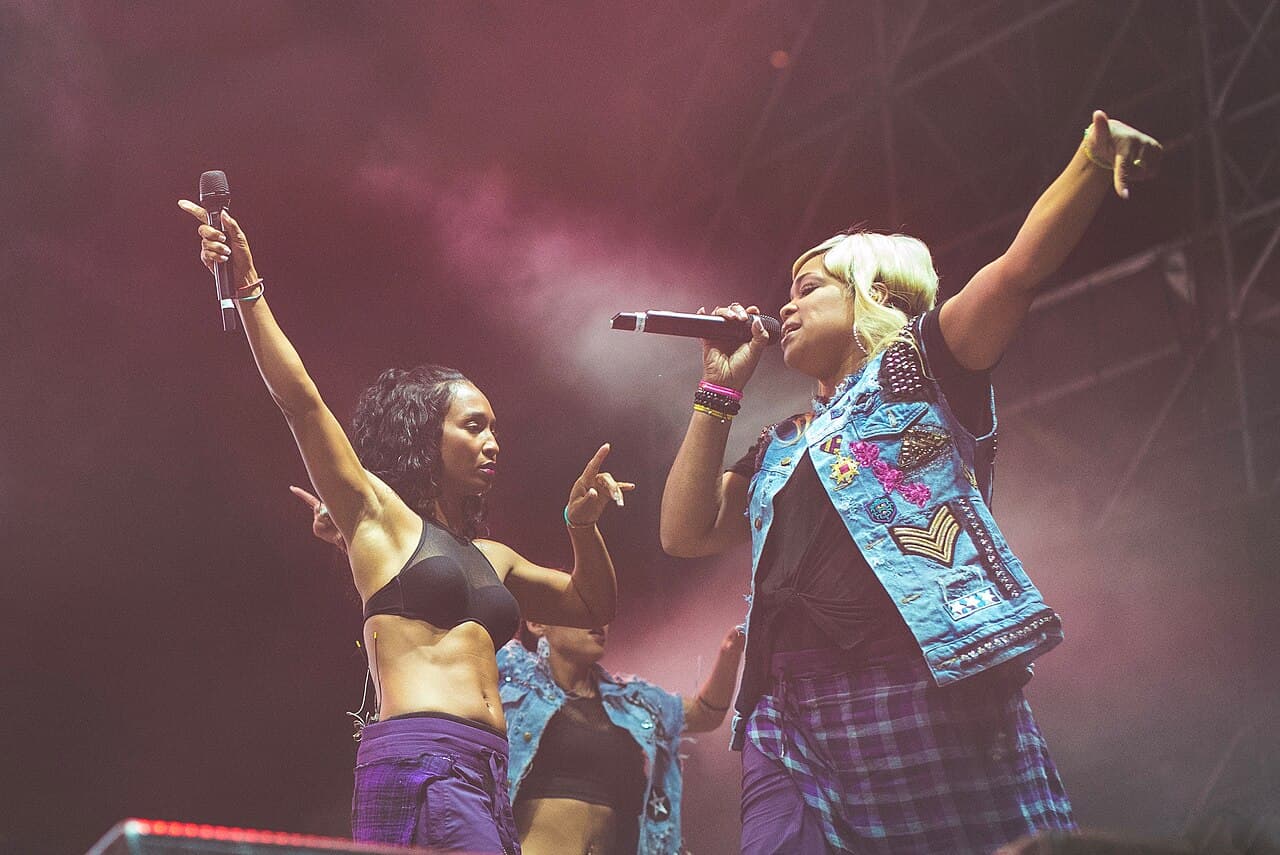
The Renaissance world tour was not just a concert. It was an architectural statement about scale, ambition, and what a Black woman is allowed to build. With a gross of over $580 million, it became one of the highest-grossing tours in history.
The sociology of that success is inseparable from the sociology of resistance it took to achieve it. Beyoncé has spent thirty years being told, implicitly and explicitly, what a Black woman's ambitions should look like. Renaissance and its aftermath said: bigger.
Conclusion
Renaissance is an act of historical recovery. It is Beyoncé saying: here is where this music comes from, here is who built it, here is who was erased, and here is what that erasure cost.
It is also, at its core, an album about dancing. About the specific liberation of being on a dancefloor in a dark room with your people. About joy so insistent it becomes refusal.
That is the Breakdown.