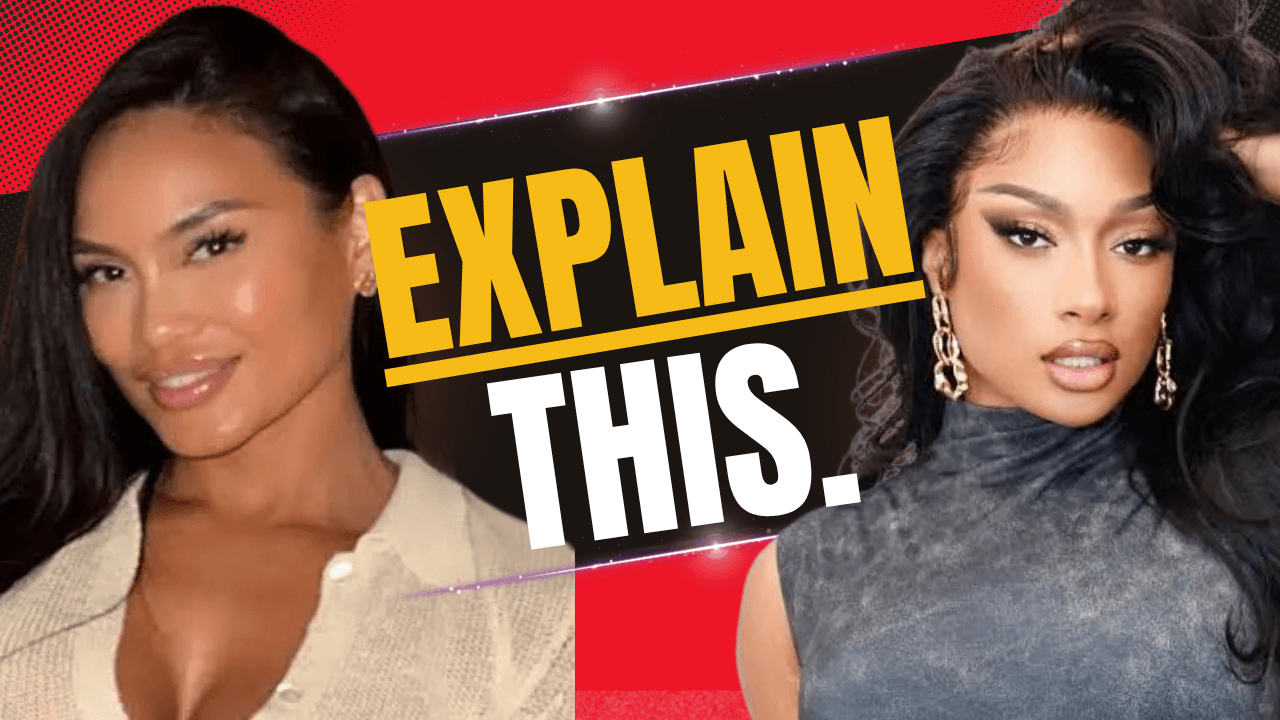
EJ Johnson and the Myth of the Trans vs. Women War: We Were Never Your Enemy.
The idea that straight women and trans women are competitors is a myth — and Black women are tired of being cast as the enemy. Here's the sociological breakdown of where this conflict narrative comes from and why it needs to end.
There is a narrative circulating in certain corners of social media that positions straight women — particularly Black straight women — as enemies, competitors, or threats to trans women and feminine gay men. It is a narrative that gets amplified by conflict-driven content, fueled by specific viral moments, and repeated until it starts to feel like an established fact.
It isn't. And Black women are exhausted by it.
This breakdown is not an attack on the LGBTQ+ community. It is a direct, honest response to a specific dynamic — and a clear statement of where straight Black women actually stand.
What EJ Johnson Actually Said — and Why It Sparked This Conversation
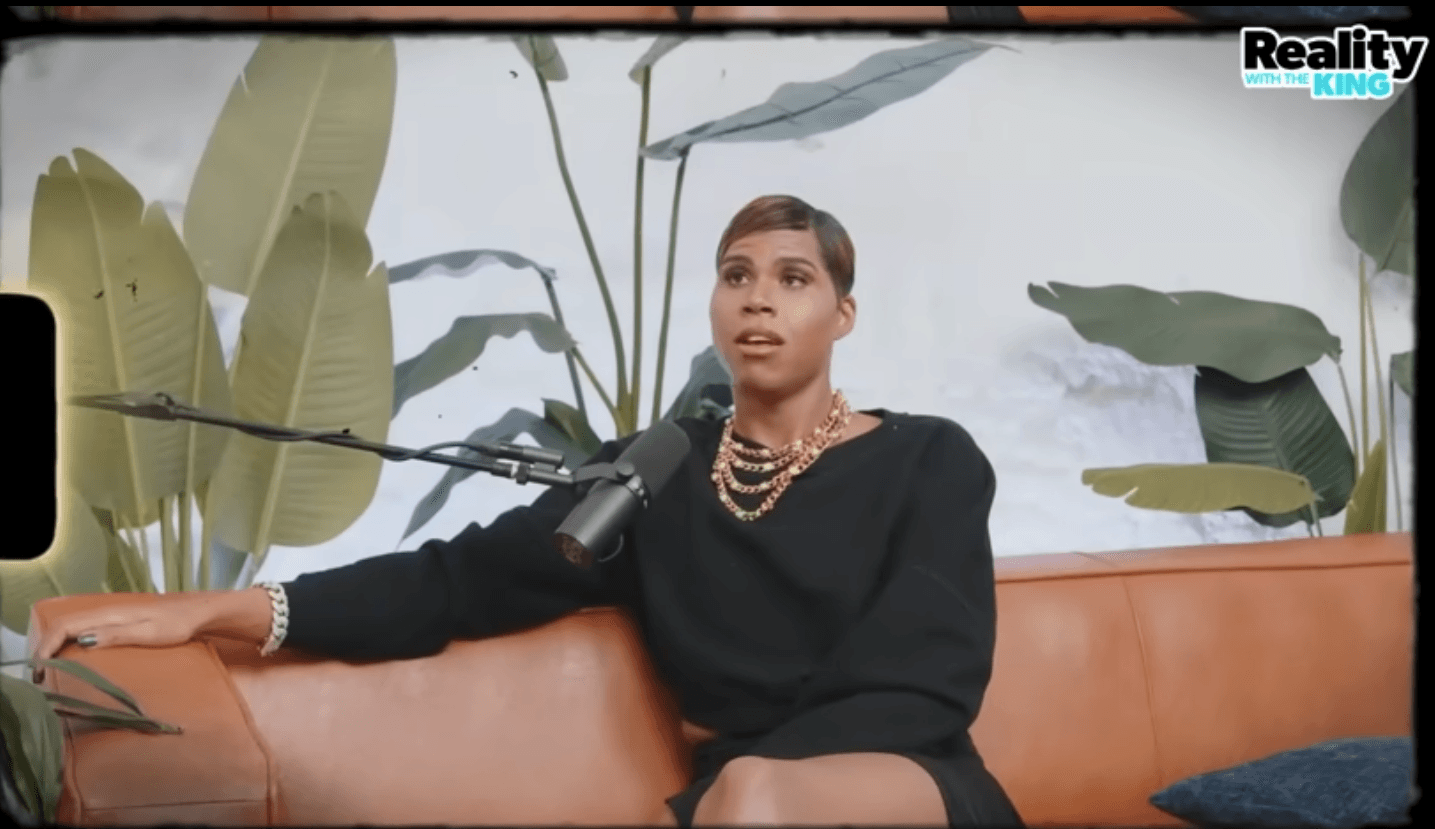
EJ Johnson, in an interview with Carlos King, confirmed that he has dated straight men — men who identify publicly as straight but are privately intimate with other men. That is the down-low dynamic. And it is a conversation that has real implications for straight women in those relationships.
But somewhere between that interview and the broader social media response, a narrative emerged that cast straight women as jealous of, threatened by, or in competition with feminine gay men and trans women.
That framing deserves a direct response: straight women are not thinking about this competition. It does not exist on our end.
Let's Be Clear About What Womanhood Actually Is
One of the core frustrations at the center of this conversation is the reduction of womanhood to aesthetics — makeup, dresses, breast size, hair, body modification. The implication being that whoever performs femininity most elaborately is most legitimately a woman.
That is not how womanhood works for most women.
A Black woman can wake up in a 2X t-shirt and boxer shorts, no makeup, natural hair, and still be — completely, fully, unquestionably — a woman. Not despite those things. Just while wearing them. Femininity is not a performance straight women are required to maintain in order to retain their identity. It is simply part of who they are, expressed however they choose on any given day.
When womanhood gets reduced to a costume — to the accumulation of the right products and the right presentation — it actually diminishes what womanhood is for everyone, including the women doing the reducing.
This needs to be stated plainly because the narrative keeps suggesting otherwise.
Straight women — and particularly straight Black women, who exist in communities with deep, longstanding relationships with gay family members, gay friends, and gay colleagues — understand what it means to move through the world as someone who faces structural rejection. Black women know that struggle intimately from their own experience. That shared understanding of marginalization does not create competition. It creates empathy.
No straight Black woman is waking up in the morning thinking about what a feminine gay man is doing. No straight Black woman is looking at a man in a dress and heels and thinking she needs to measure herself against that. The comparison is simply not happening.
When someone insists that straight women are jealous of feminine gay men, they are projecting a competition that exists in their imagination — not in the daily reality of straight women's lives.
The Trans Women Conversation: Respect Without Competition
Trans women face real challenges. Lack of acceptance in families, workplaces, and relationships. Violence. Discrimination. A daily experience of having to fight for recognition of their identity. That is documented, it is serious, and it deserves to be treated seriously.
But the claim that straight women are jealous of trans women — that biological women secretly want what trans women have — does not hold up to scrutiny.
No straight woman who was born female wants to experience the specific pain of feeling that she is in the wrong body. No straight woman wants to navigate the medical, social, and psychological journey that trans women navigate in order to present themselves authentically. That is not a struggle straight women are secretly envying. It is a struggle they recognize as real and genuinely difficult.
Straight women have their own set of challenges — fibroids, fertility pressure, workplace discrimination, the weight of being judged for every choice about their body and their family. Those challenges are not a competition with trans women's challenges. They simply exist alongside them.
The idea that straight women are enemies or competitors to trans women is not coming from straight women. It is a narrative being imposed on a relationship that, from the straight woman's side, is not characterized by hostility at all.
TLC Fans Feel Betrayed: How Chilli's Trump Controversy Derailed a Black Women's Empowerment Tour
This is the sociological question worth asking: if straight women are not generating this competition narrative, where is it coming from and why does it keep circulating?
A few contributing factors:
Social media conflict economics. Content that positions groups against each other generates more engagement than content that acknowledges nuance. The algorithm rewards conflict. So the narrative of straight women vs. trans women vs. feminine gay men gets amplified because it performs well — not because it reflects reality.
Internalized rejection. For some people who have experienced a lifetime of not being accepted — by family, by community, by society — the pain of that rejection can get redirected outward. Straight women become a symbol of the acceptance that was withheld, rather than actual people with their own complex lives and relationships.
The down-low dynamic creating real grievances. When gay or bisexual men in straight-presenting relationships cause harm to the women in those relationships — through deception, through exposure to health risks, through emotional betrayal — that real harm can get generalized into hostility toward straight women as a category, when the actual issue is deception, not gender identity.
None of these explanations justify the competition narrative. But understanding where it comes from is the first step toward dismantling it.
The Infighting Problem in the Black Community
Zoom out from this specific conversation and a larger pattern becomes visible: the Black community is being constantly redirected toward internal conflict at precisely the moments when collective solidarity would be most powerful.
Men vs. women. Straight vs. gay. Light skin vs. dark skin. Immigrants vs. American-born. The specific conflict changes. The function stays the same — energy that could go toward collective advancement goes toward internal friction instead.
The straight women vs. trans women narrative is one iteration of this pattern. It pulls Black women and Black LGBTQ+ people into conflict with each other when the actual threats to both communities exist entirely outside that conflict.
Recognizing the pattern doesn't mean pretending tensions don't exist. It means refusing to let manufactured conflict substitute for the genuine conversations that need to happen.
The Bottom Line: This War Was Never Real on Our End
Straight Black women are not the enemy of feminine gay men. They are not the competitors of trans women. They are not threatened by, jealous of, or in conflict with people who are navigating their own identity in a world that has not always made space for them.
That has been true for a long time. It just doesn't generate clicks to say so.
The record needs to be clear: straight Black women see the struggle. We understand the uphill battle. We have gay family members, trans friends, and enough lived experience to know that life outside the heterosexual mainstream is genuinely hard in this country.
We are not your enemy. We never were. And it is past time for this narrative to stop being used to divide people who have far more in common than the algorithm wants them to admit.
This Is the Conversation the Community Needs — Join the Yasmin Breakdown on Patreon
Yasmin Breakdown exists to go beyond the viral clip and ask the harder sociological questions — where does this narrative come from, who does it serve, and what does the history actually tell us?
If you want analysis that goes deeper than the hot take, support independent Black media directly. Join the Yasmin Breakdown on Patreon for extended breakdowns, deeper dives, and the conversations that move the community forward instead of tearing it apart.
Watch the original video on YouTube and tell us in the comments — where do you think this competition narrative actually comes from?
EJ Johnson, trans women, straight women, Black community, LGBTQ+, gender conflict, down low, Black femininity, social media conflict, community division