The BAFTA N-Word Incident and A Black Woman With Tourette's Speaks Out
When John Davidson's Tourette's tic disrupted the BAFTA ceremony, the internet exploded. Then a Black woman with Tourette's spoke up — and added a layer most people weren't ready to hear. Here's the full breakdown.

The BAFTA n-word controversy sent shockwaves through entertainment, social media, and the Black community. Most people picked a side quickly. But in the middle of that firestorm, a Black woman with Tourette's syndrome stepped forward with testimony that added a layer to this conversation that most people weren't prepared to sit with — and it deserves a serious hearing.
This is not a simple story. It never was.
What Happened at the BAFTAs — and Why It Matters
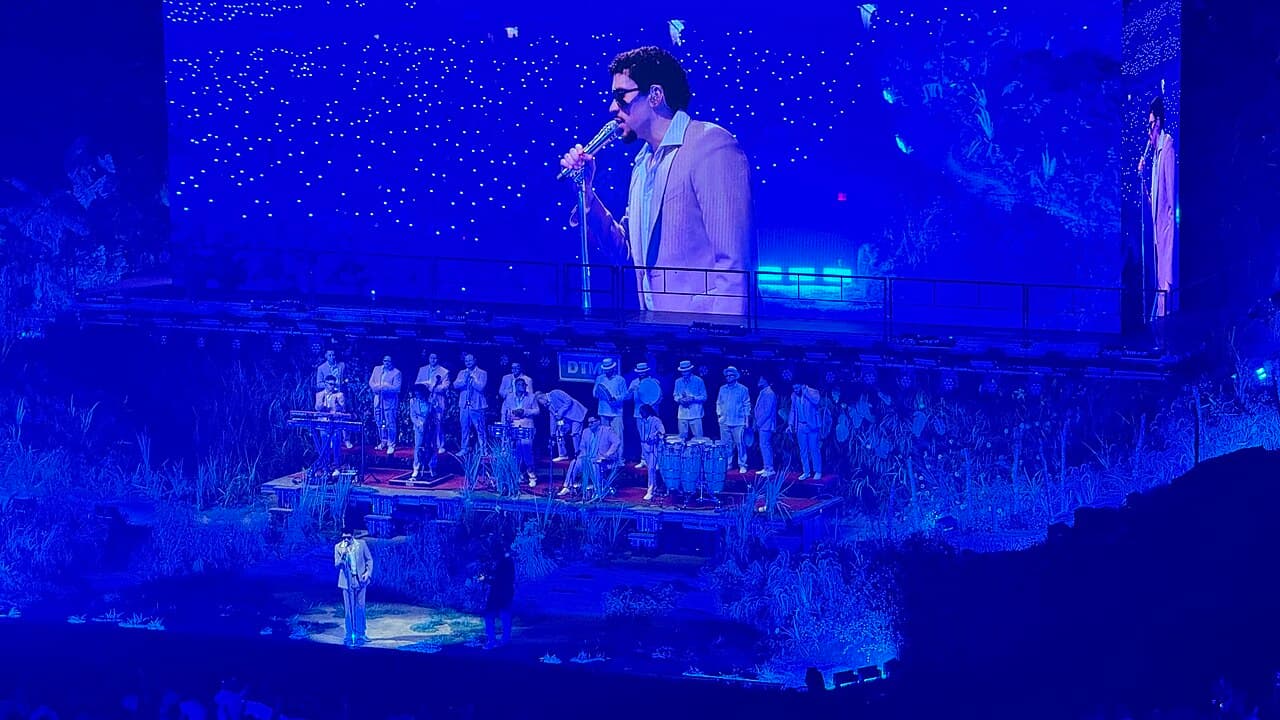
During what should have been a celebration — one of the most prestigious nights in the entertainment industry — a racial slur was shouted at Black award recipients Michael B. Jordan and Delroy Lindo. The source was John Davidson, an audience member with Tourette's syndrome whose involuntary tics included that specific slur.
The audience had been warned in advance. The BBC, which broadcast the ceremony, made an editorial decision. And that decision — to allow the slur to air across their network — is where much of the justifiable outrage is directed.
For Black viewers, for Black professionals in the industry, and for anyone who understands the weight of that word and its history, what the BBC did was not an oversight. It was a choice.
A Black Woman With Tourette's Speaks — And the Conversation Gets More Complex
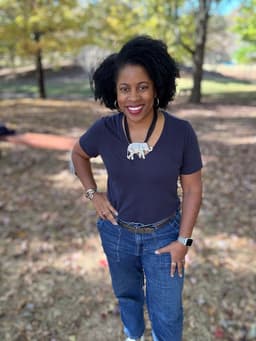
In the middle of this controversy, a Black woman who also lives with Tourette's syndrome — and who also has slurs as tics — came forward to share her experience. Her testimony reframes the conversation without erasing anyone's pain.
Her message was direct: tics are not choices. They do not reflect the character, values, or desires of the person experiencing them. They cause profound distress — not relief, not pleasure, not an excuse to say something someone secretly wanted to say. For her, having slurs as tics has meant a lifetime of isolation, misunderstanding, fear of leaving the house, and fear of how strangers might react — including violently.
She also made clear: people with Tourette's do not need muzzles. They do not deserve to be told they shouldn't be allowed outside. They deserve the same compassion, opportunity, and space to exist as anyone else.
This testimony does not erase what Black people felt hearing that word at the BAFTAs. But it adds a layer of understanding that the conversation needs to hold.
Two Things Can Be True at the Same Time
Here is where the sociology matters most.
It is entirely possible — and necessary — to hold both of these things simultaneously:
First: John Davidson did not choose that tic. Tourette's syndrome is a neurological condition. Tics are involuntary. The young woman who spoke out lives this reality herself and explained it with clarity and courage. Directing rage at Davidson personally misses the medical reality of what Tourette's actually is.
Second: The BBC made a deliberate editorial choice. In 2026, with decades of broadcast standards, production technology, and editorial oversight available, allowing that slur to air was not an accident. It was a decision. And that decision reflects a level of disregard for Black audiences and Black dignity that is not acceptable — not in theory, and certainly not in practice.
The tic is not the offense. The broadcast is the offense.
TLC Fans Feel Betrayed: How Chilli's Trump Controversy Derailed a Black Women's Empowerment Tour
A Television Professional's Perspective: This Was Inexcusable
Having worked in television — including as a writer for Cold Case Files — the editorial failure here is not subtle. In professional television production, sensitivity to what airs is not optional. It is the baseline standard.
When writing for true crime television, the standard practice was careful attention to how victims were depicted — protecting the dignity of the deceased and the feelings of their families. That level of care is built into the profession.
For the BBC to air a racial slur directed at Black honorees at a prestigious awards ceremony — knowing in advance that an audience member had Tourette's with potentially inappropriate tics — is a failure that goes beyond carelessness. It is tone deafness at an institutional level. And in the media industry, tone deafness at that scale is always a choice someone made, or failed to make.
Why Black Audiences Won't "Just Watch the Movie"
A common response to the backlash has been: watch the movie. It's about Tourette's. It will help you understand.
This response fundamentally misunderstands how trust works — and how injury works.
Black audiences are not going to financially support a film connected to an incident they experienced as a public insult, regardless of the educational value that film might offer. That is not ignorance. That is a completely rational response to feeling disrespected on a global stage.
If the goal is to educate Black communities about Tourette's syndrome — and that education matters — it has to happen through different channels, different conversations, and a different approach. Which is precisely why amplifying the voice of a Black woman with Tourette's who can speak to both experiences simultaneously is far more valuable than telling people to buy a movie ticket.
What This Incident Reveals About Ableism, Racism, and the Spaces Between
This controversy sits at the intersection of two serious conversations that rarely get held together: racism and ableism.
The responses to the Black woman's testimony included people telling her and others with Tourette's that they deserve to die, should be muzzled, and shouldn't be allowed in public spaces. That is ableism — and it is just as unacceptable as the racism that made the original incident painful.
People with Tourette's syndrome, including Black people with Tourette's syndrome, deserve full participation in public life. Their condition does not make them dangerous, immoral, or worthy of exclusion.
At the same time, Black people at award ceremonies deserve to be protected from racial slurs being broadcast to millions — regardless of the source.
Both of these things are true. Holding them together is not comfortable. But it is necessary.
The Layers of Understanding This Situation Demands
As the young woman said herself: there are no sides to this situation. There are only layers of understanding that need to be had.
That framing is exactly right — and it is exactly what most of the discourse around this incident has failed to do. Cable news wants a villain. Social media wants a verdict. But the reality is more human and more complicated than either of those formats allow.
John Davidson has to live with a condition that causes him suffering and puts him at risk of misunderstanding and confrontation every time he leaves his home. Michael B. Jordan and Delroy Lindo had a slur shouted at them during one of the highest moments of their professional lives. A Black woman with Tourette's has spent her life navigating both disability stigma and racial identity. And the BBC made an editorial call that failed every person in that room and every Black viewer at home.
All of those things happened. All of them matter.
Keep This Conversation Going — Join the Yasmin Breakdown on Patreon
Yasmin Breakdown exists for exactly these moments — when the story is too layered for a hot take, too important to reduce to a single narrative, and too connected to history to understand without context.
If you want analysis that goes beyond the headline, support independent media directly. Join the Yasmin Breakdown community on Patreon for deeper dives, extended breakdowns, and the conversations that actually move us forward.
Watch the original video on YouTube and share this article with someone who's still trying to figure out how they feel about this one.